Metal products with recycled content
calculated in accordance with ISO 14021
and verified by a third party, and services
for supplying copper cathode that apply
the mass balance model in accordance with
ISO 22095 and ISO 22095-2.
Metal products with recycled content calculated in accordance with ISO 14021 and verified by a third party,
and services for supplying copper cathode that apply the mass balance model in accordance with ISO 22095 and ISO 22095-2.

Mitsubishi Materials is committed to contributing to the creation of a decarbonized society and the development of a circular economy by ensuring product transparency and traceability, and delivering sustainable value.
As part of this commitment, we offer the REMINE ISO 14021 Series and REMINE ISO 22095 Series as products and services that embody these values.
Driven by the need to reduce environmental impact and promote resource recycling, there is growing demand for products that guarantee transparency and traceability of raw material information throughout the value chain, and that quantify their environmental impact. To meet this demand, we calculate the recycled content in accordance with ISO 14021, a clear and stringent international standard, and ensure reliability through third-party verification by SGS Japan Inc. As a result, the REMINE ISO 14021 Series was created.
Furthermore, as societal expectations for decarbonization and resource recycling continue to rise, the copper industry is experiencing rapidly increasing demand for products that utilize recycled materials and reduce greenhouse gas emissions. However, conventional copper smelters, which mix ore-derived copper concentrates with various scrap materials, face challenges in supplying products derived from specific sources individually. To address this issue, Mitsubishi Materials offers the REMINE ISO 22095 Series — copper cathode supplied under a mass balance credit model — based on guidelines verified by the Japan Life Cycle Assessment Facilitation Centre for compliance with ISO 22095 and ISO 22095-2.
 ISO 14021 Series
 *Due to the business restructuring, the production of platinum (Pt) and palladium (Pd) has been transferred on April 1, 2025, from Materials Eco-Refining Co., Ltd.'s Onahama site to Onahama Smelting and Refining Co. Ltd. There are no changes to the manufacturing facilities, processes, or raw materials.
*The mass balance model is not applied.
*For customers requiring a third-party certificate, please contact us.
It is an international standard for "Environmental labels and declarations ― Self-declared environmental claims (Type II environmental labelling)." This standard specifies the definition of recycled materials and the methods for calculating recycled content.
The facilities that produce tin (Sn), lead (Pb), bismuth (Bi), platinum (Pt), and palladium (Pd) operate on electricity derived from 100% renewable sources.
For more information, please see the link in the "News" section below.
ISO 22095 Series *This is a service for supplying copper cathode that applies the mass balance credit model.
*If you have any questions about this service, please contact us.
In the mass balance credit model, when raw materials with specified characteristics (e.g., recycled materials) are mixed with raw materials without such characteristics (e.g., ore-based materials) during processing and distribution, those characteristics are managed as credits and attributed to a part of products at a specified ratio.
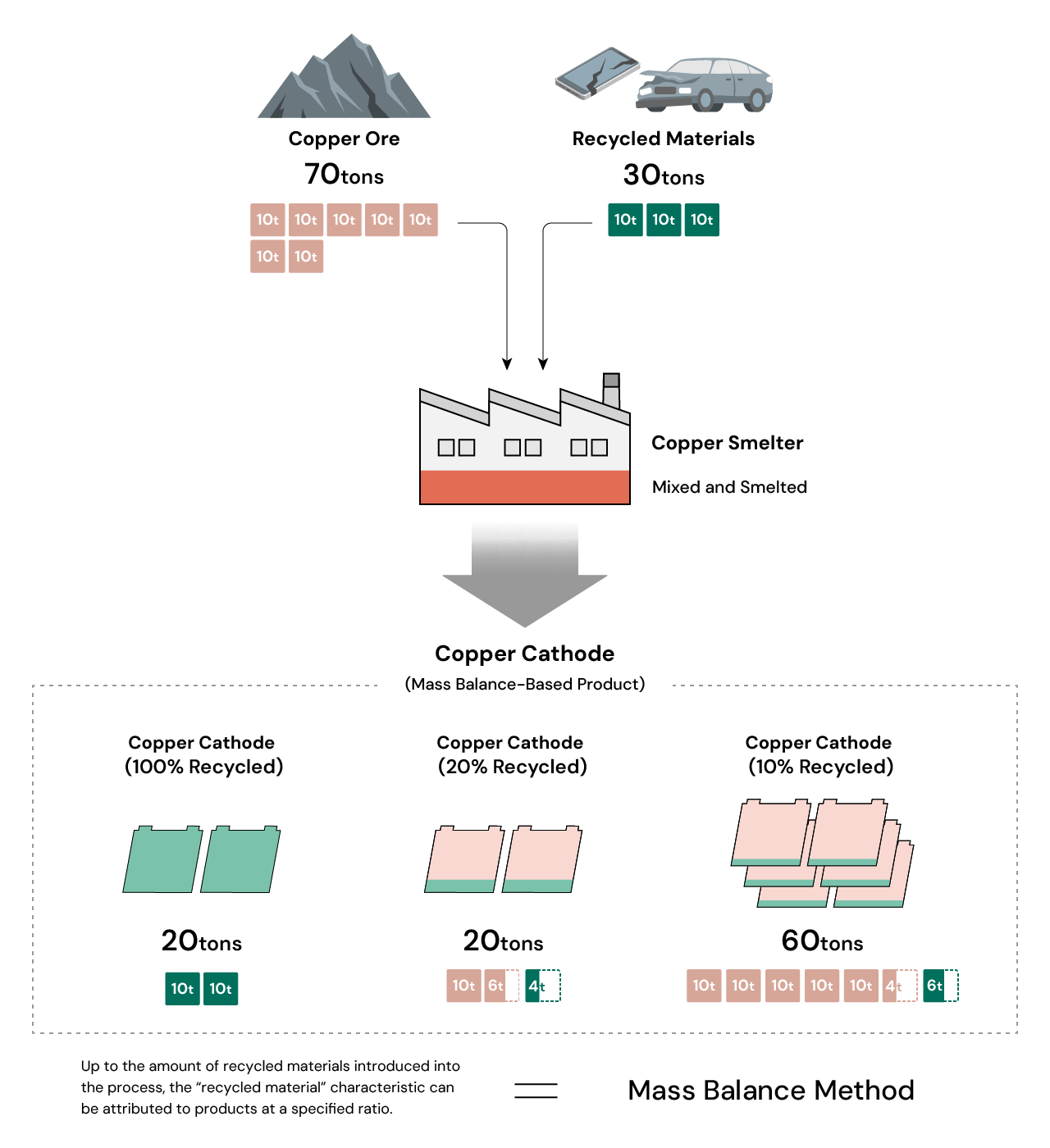
These guidelines clarify the rules for applying the Mass Balance Credit Model across the entire value chain. The guidelines have been verified by a third-party organization, the Japan Life Cycle Assessment Facilitation Centre, for compliance with ISO 22095 and ISO 22095-2.
ISO 22095 is an international standard that provides a unified framework for the fundamental terminology, models, and concepts of Chain of Custody (CoC) across the value chain, and defines the general requirements for CoC models, including the mass balance model.
ISO 22095-2 specifies the requirements for applying the mass balance model and outlines methods for managing mass balance throughout the value chain.
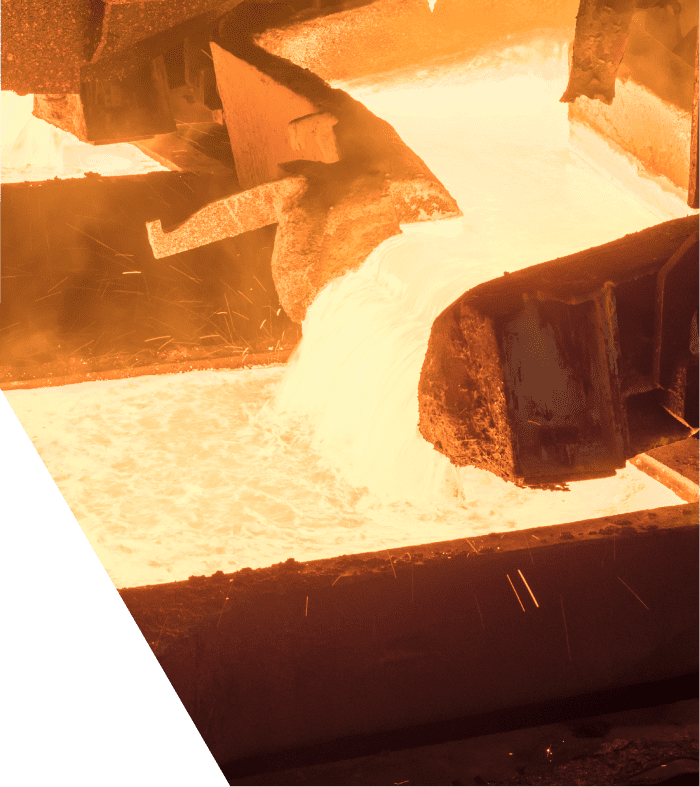
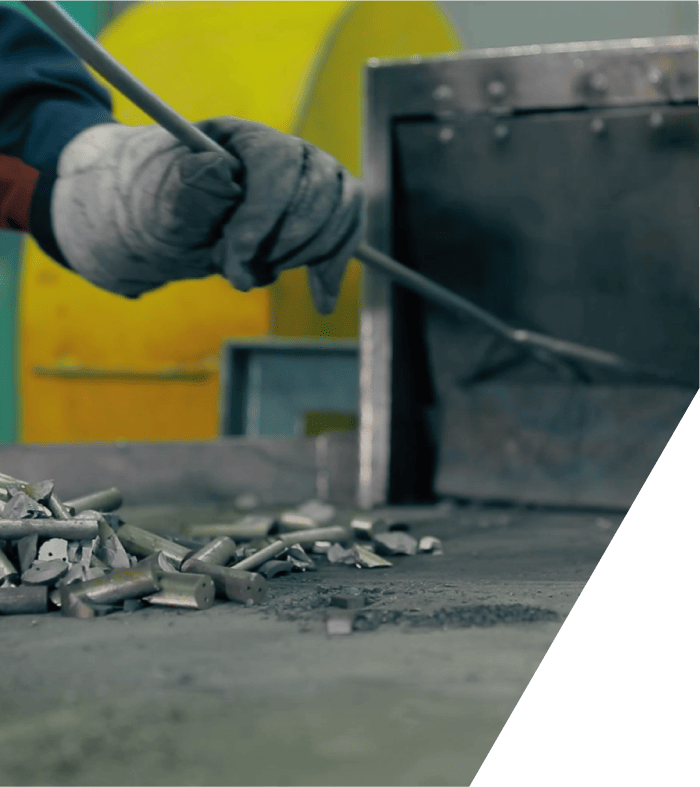
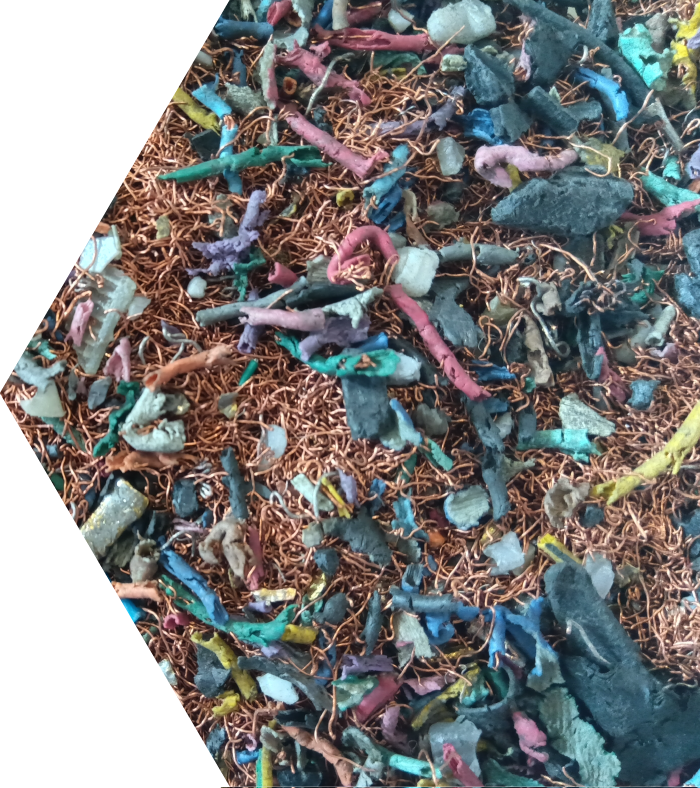
REMINE is a coined word combining "RE," meaning "repeat and reborn," and "MINE."
The name was inspired by the idea of viewing recycled materials as the "mines" of a new era — recovering metals from end-of-life products and process waste and giving them new life as valuable resources.
The brand name reflects our strong aspiration to pass on the value of metals to future generations and contribute to a prosperous future for people, society, and the Earth.